609-364-1723

Navigating Tariff Uncertainty in Logistics: What Businesses Near Vineland, NJ Should Know

AD 4nXfkoJ23N9WWKSdZ4C2vLfGxwN9M85NjO8Kkp8ACMyl 1US TACnrcDa ndTZBJr8tEMLmWwoYtoNn5 WGkoVQo 1pUAF e8EWVTJXNevqU5or8D7i70VM8ZMvgkyq79jmcyZjQ uQ

If your business relies on importing or exporting goods—especially industrial materials, renewable energy components, or infrastructure equipment—tariff uncertainty can feel like a moving target. One month, your supply chain is flowing smoothly. Next, a tariff increase disrupts delivery timelines and inflates costs.

For companies in and around Vineland, NJ, understanding how tariffs affect logistics isn’t just useful—it’s essential. With ports like Philadelphia and Newark nearby, and quick access to major metro areas, businesses here need to be nimble. That’s where working with a 3PL provider like T2G Logistics becomes a game-changer.

In this article, we’ll break down what tariff uncertainty really means for your logistics operation, how it can impact your costs and efficiency, and what practical steps you can take to build resilience into your supply chain.

What Is Tariff Uncertainty?

At its core, tariff uncertainty refers to the unpredictability of government-imposed taxes or duties on imported or exported goods. These tariffs are often the result of trade disputes, geopolitical tensions, or shifting national policies.

While tariffs themselves are measurable, the uncertainty comes from:

  • Sudden changes in rates
  • Unclear enforcement timelines
  • Unpredictable political decisions
  • Global conflicts or trade agreements being rewritten

A good example is the U.S.-China trade tensions over the past several years. Shifts in tariffs on steel, solar panels, and other materials have created logistical and financial headaches for companies importing those goods.

How Tariff Uncertainty Impacts Logistics

Tariff changes ripple through every layer of the logistics process. For businesses that store or move industrial goods, the effects can be especially costly. Let’s take a closer look:

1. Volatile Import Costs

When tariffs go up without much notice, your landed cost—the total price of getting a product to your facility—increases. This doesn’t just affect procurement. It alters your storage needs, margins, and pricing decisions.

For example, if your business is importing solar panels for infrastructure projects, a sudden tariff hike could lead to:

  • Delays in customs clearance
  • Last-minute sourcing changes
  • Higher insurance premiums

2. Unpredictable Inventory Planning

Tariff fluctuations can force businesses to adopt bulk buying strategies when rates are favorable. That’s smart in theory, but it can overwhelm in-house storage capabilities.

Partnering with a warehouse provider like T2G Logistics lets you:

  • Secure flexible industrial storage space
  • Avoid last-minute panic when tariffs spike
  • Position your inventory closer to your end customers

3. Customs Delays and Clearance Issues

Each tariff change typically comes with new codes, paperwork, and regulations. That can bog down customs processing and stall deliveries, especially at East Coast ports near Vineland, such as the Port of Philadelphia or Port Newark.

This is where having a logistics partner that understands inbound container scheduling, cross-docking, and temporary storage solutions can help mitigate delays.

4. Contract Conflicts and Supply Chain Tensions

When the price of goods increases unexpectedly, it can lead to contract disputes among buyers, suppliers, and logistics providers. Businesses that don’t have built-in flexibility may find themselves in breach of agreements or scrambling to renegotiate terms.

Having a 3PL provider that’s experienced in navigating industrial logistics and volume fluctuations helps mitigate these risks. T2G Logistics, for example, regularly works with clients to manage seasonal surges or delayed shipments resulting from geopolitical or tariff-related changes.

A Vineland-Based Strategy: Local Advantage with Global Perspective

If your business operates in Southern New Jersey, you’re in a unique position. Vineland is situated near four major metropolitan areas—New York, Philadelphia, Boston, and Baltimore—which gives you access to multiple ports and rail lines. But more importantly, working with a local logistics provider like T2G means:

  • Less time spent coordinating with large national chains
  • Faster, more personalized service
  • Better adaptability when tariffs shift your import/export volumes

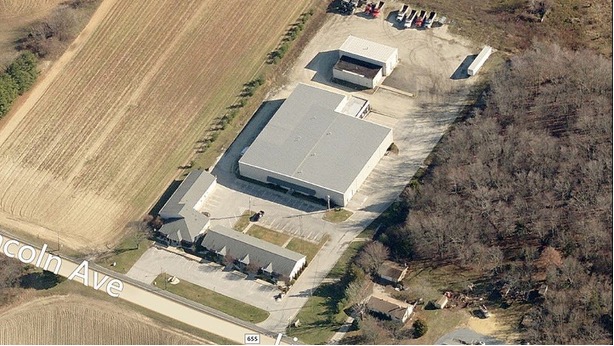
With over 100,000 square feet of storage across three locations, T2G provides businesses with the space and scalability to weather tariff-related uncertainties.

How to Adapt Your Logistics Strategy for Tariff Volatility

Tariff uncertainty may not be something you can control, but your response to it is. Here are several ways to future-proof your operations:

1. Use a Buffer Inventory Strategy

Also known as “safety stock,” buffer inventory helps you avoid stockouts during tariff changes or customs slowdowns. While keeping extra stock can increase storage costs, it often offsets the more damaging costs of operational downtime.

T2G Logistics supports buffer inventory strategies by offering:

  • Industrial-scale pallet racking
  • Secure outdoor and indoor storage
  • Container offloading and restocking services

2. Stay Informed and Monitor Trade Policy Trends

Work with trade compliance experts or subscribe to services that monitor tariff changes. Some excellent sources include:

Additionally, ensure your logistics partner is well-informed about global trade—T2G routinely collaborates with clients in the renewable energy and construction sectors, both of which are highly sensitive to tariff changes.

3. Plan for Multi-Modal Logistics Options

Sometimes, shifting your point of entry or the mode of transportation (e.g., rail instead of trucking from port to warehouse) can help bypass bottlenecks. While T2G focuses on warehousing and 3PL—not trucking—our team works hand-in-hand with clients to plan container scheduling and optimize unloading schedules.

Being in Vineland provides T2G with quick access to multiple ports and major rail hubs, which can be an advantage when congestion occurs elsewhere.

4. Work With a Flexible, Asset-Based 3PL

Asset-based logistics companies, such as T2G, own and operate their own warehouses. This means better control, fewer middlemen, and more flexible terms for clients.

Compared to brokerage-style 3PLs, an asset-based provider can:

  • Expand or contract space quickly
  • Respond to last-minute changes
  • Provide better cost transparency

This agility is crucial when tariffs cause unexpected spikes in inventory or require sudden redistribution.

Real-World Example: Tariffs on Solar Equipment

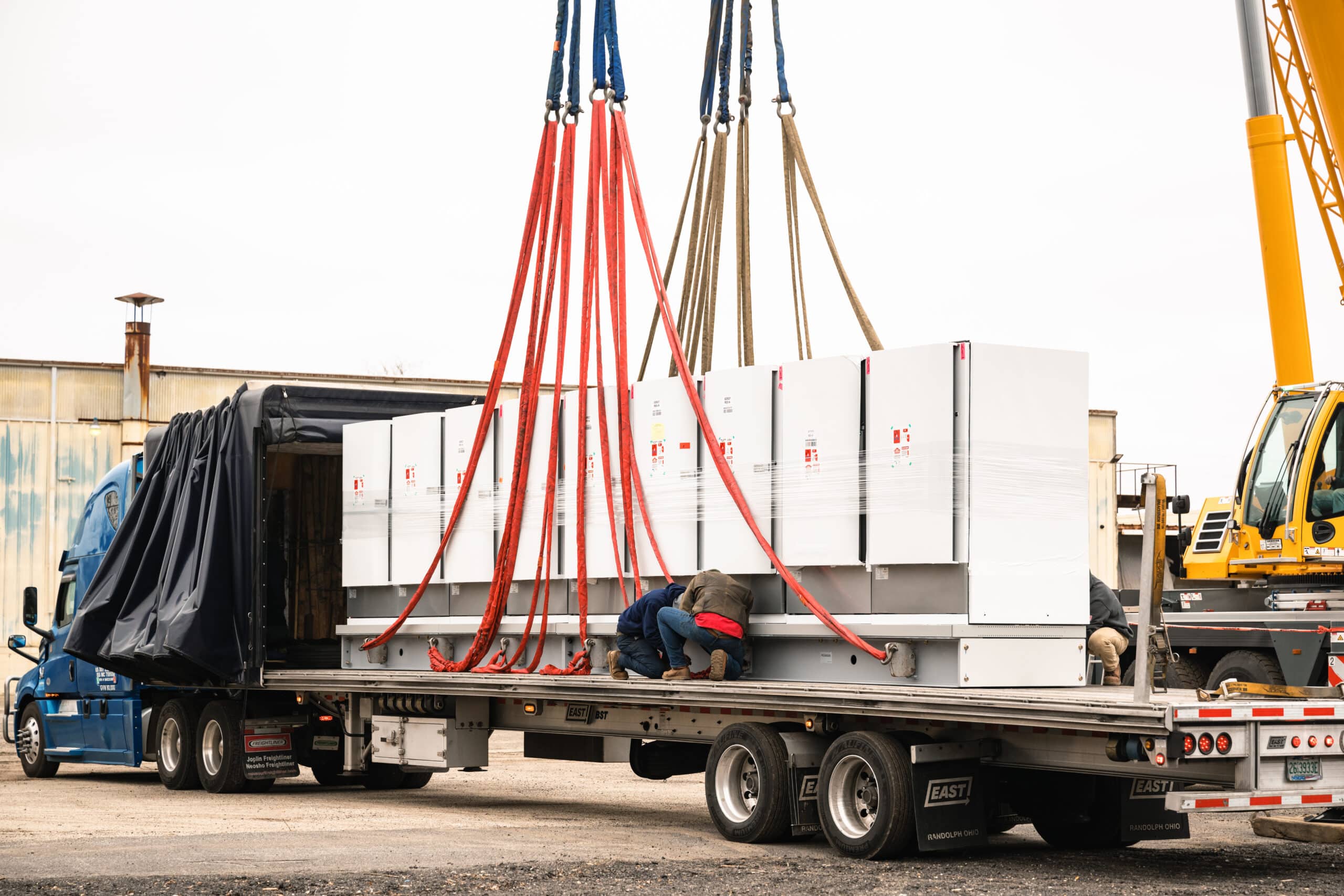
A client storing PV modules at T2G faced a sudden 14% tariff increase on imported solar panels. To protect their margins, they purchased six months’ worth of inventory ahead of the tariff’s effective date.

Their in-house facility couldn’t handle the volume, so T2G provided:

  • Short-term warehouse space
  • Palletized bulk storage solutions
  • Cross-docking support for local distribution

By carefully coordinating storage and timing delivery windows, the client avoided storage penalties and was able to fulfill multiple infrastructure contracts on time.

Why It Matters for Businesses Near Vineland, NJ

Vineland is more than a dot on the map—it’s a logistics sweet spot for industrial businesses. If you’re storing or distributing solar energy, infrastructure, or general industrial commodities, the region’s proximity to several ports and major cities gives you leverage.

But only if you have the right partner.

At T2G Logistics, we’ve built our reputation on helping businesses respond to the unpredictable—whether that’s shifting tariffs, seasonal surges, or import/export slowdowns.

Don’t Let Tariffs Derail Your Operations

Tariff uncertainty isn’t going away. But with an innovative logistics plan, the right warehousing partner, and an eye on both local and global trade dynamics, your business doesn’t have to be at the mercy of external changes.

If your company operates in or near Vineland, NJ, and needs flexible, reliable, and industrial-scale storage or 3PL support, we’re here to help.

Take the Next Step

Want to protect your supply chain from tariff disruptions?
Get in touch with T2G Logistics today and discover how we can support your operation with innovative warehousing, scalable storage, and hands-on logistics expertise.

📍 Visit: https://t2glogistics.com
📞 Call: (856) 692-6220
📧 Email: [email protected]

Let’s build a smarter, stronger logistics plan—together.

How the Investment Tax Credit (ITC) and Bulk Storage Can Reduce Costs for Green Energy Projects

AD 4nXe1jIirlkU6Hhphp8spvsFurRNhWEYKdcvtUaG60SpprR0 iMsYQB9a6uavVgXpCXFyEMsIeSLbNvs qlAEA64Q68hhD0eq yP32NnVZssTDGwKnmI7XQ2H779MYQPfgAT5 4mW

The renewable energy sector is growing fast. From solar farms and hydrogen fuel cells to battery storage systems, the demand for clean technology is accelerating nationwide. But while innovation often gets the spotlight, efficient logistics and smart storage planning are just as critical to a successful green energy project.

One of the most overlooked tools for managing costs in this space is the Investment Tax Credit (ITC)—a federal incentive that can significantly lower the cost of solar and other renewable systems. When paired with bulk storage solutions, such as those offered by T2G Logistics in Vineland, NJ, the ITC can do even more: help projects stay organized, reduce transportation costs, and avoid delays that eat into profitability.

In this blog post, we’ll break down how the ITC works, how storage and logistics planning factors into it, and how businesses operating in the green energy sector can save money and reduce risks by choosing the right warehousing partner.

What Is the Investment Tax Credit (ITC)?

The Investment Tax Credit (ITC) is a federal incentive in the United States that allows individuals and businesses to deduct a percentage of the cost of installing a solar energy system from their federal taxes. Originally introduced through the Energy Policy Act of 2005, the ITC has been extended multiple times, most recently by the Inflation Reduction Act of 2022, which increased long-term certainty and expanded eligibility.

As of 2025, the base ITC is 30%, with potential adders that can bring it as high as 50%, depending on project location, labor practices, and whether certain domestic content thresholds are met.

Who Qualifies?

The ITC applies to:

  • Solar PV systems
  • Energy storage (batteries)
  • Hydrogen fuel cells
  • Microgrid controllers
  • Some other renewable and storage technologies

Eligible systems must be placed in service—not just purchased or delivered—by a specific deadline to qualify for the deduction. This makes timing and logistics essential to maximizing the credit.

AD 4nXeZI4LsWUyC4SyjU8BAoGYT XL1N0VBkX1364UOAXtsV5laaj1Hgh1IKzjd9EEGlWnS61ez8jDEZJmUgJb4aN eOpa0g6xtV34cC vD bHHef JTLstgOz3jatGrw0cKZKHoUqpsg

Why Timing (and Storage) Is Critical for the ITC

One common mistake developers make is failing to account for lead times and delivery schedules when sourcing materials and equipment for green energy projects because the ITC is tied to when a system is installed and operational; delays in transport, missing components, or damaged goods can jeopardize the full value of the tax credit.

This is where strategic storage comes in.

Let’s say you’re a solar developer sourcing PV modules from overseas. Instead of shipping the equipment directly to a job site, where storage may be limited or security is questionable, it makes more sense to store the goods in a secure, climate-controlled, and centrally located warehouse.

By doing so, you:

  • Control inventory more effectively
  • Stage equipment to match the project timeline
  • Reduce on-site theft or weather damage risks
  • Avoid costly last-minute shipping fees

This just-in-time delivery strategy aligns perfectly with the demands of ITC compliance. Having a reliable logistics partner with available bulk storage can make or break your ability to complete the project on time and on budget.

Bulk Storage in Vineland, NJ: A Strategic Location for the Northeast Corridor

Located in Vineland, New Jersey, T2G Logistics offers industrial-scale storage capacity—100,000 square feet across three facilities—and serves as a prime location for staging renewable energy projects in the Northeastern United States.

Why Vineland?

  • Fast access to major cities: Within reach of New York, Philadelphia, Boston, and Baltimore
  • Proximity to ports: Ideal for receiving imported solar modules and other components from overseas
  • Affordable warehousing: Compared to metro areas, Vineland offers lower storage costs
  • Industrial zoning: Suited for heavy-duty and bulk commodities like racking systems, inverters, and hydrogen equipment

These advantages make it easier to receive, store, and distribute renewable energy components—whether you’re working on a commercial rooftop installation in Philly or building a solar farm in rural Pennsylvania.

Bulk Buying and the ITC: The Hidden Cost Advantage

Beyond logistics, bulk purchasing is another smart strategy for reducing the total installed cost of renewable energy systems. Buying components like PV modules, mounting systems, or energy storage units in large quantities often leads to volume discounts and lower per-unit shipping costs.

But what do you do with 10 containers of solar panels when your project won’t break ground for another two months?

This is where long-term storage comes in. T2G Logistics offers:

  • Secure storage for containers or loose cargo
  • Short- and long-term warehousing options
  • Indoor and outdoor storage
  • Forklift and heavy equipment handling

This flexibility allows developers and EPCs (engineering, procurement, construction firms) to lock in favorable pricing from suppliers, ship to a safe storage location, and deploy equipment on a rolling basis.

Plus, having a storage buffer helps you avoid supply chain disruptions, which have become increasingly common due to global shipping volatility.

A Real-World Example: Solar Developer Using T2G Storage to Stage Inventory

Consider a solar EPC working on three mid-sized projects across New Jersey and Pennsylvania. The company decides to order all the PV modules at once to take advantage of favorable pricing and maximize ITC eligibility before the next phaseout.

They arrange for the product to be delivered by container to the Port of Newark. But there’s a challenge: job sites aren’t ready to receive the goods.

The solution? Ship the modules to T2G’s Vineland warehouse, where they’re stored securely, inspected, and sorted into pallets matching each project’s specifications. T2G coordinates staged deliveries to each location according to the build schedule, ensuring materials arrive when needed, not before, and not too late.

This reduces waste, avoids idle time, and keeps ITC deadlines on track.

Additional Benefits of Partnering With an Industrial Storage Specialist

Not all 3PLs are equipped to handle the unique needs of renewable energy and infrastructure components. T2G’s experience with solar modules, racking, fuel cells, and other bulky commodities sets us apart. Our services include:

  • Inventory management
    We keep track of what arrives, what ships out, and what remains—so you don’t have to guess.
  • Loading and unloading
    Forklifts, pallet jacks, and experienced handlers make container offloads safe and efficient.
  • Security and insurance
    Protect your high-value components while they’re in storage with 24/7 monitoring and secure access.
  • Scalable space
    Whether you’re storing one container or an entire megawatt of panels, we scale with your project.

How to Qualify for the ITC: Key Steps for Developers and Contractors

To ensure your project qualifies for the ITC:

  1. Work with a tax advisor who understands renewable energy incentives.
  2. Document your “placed in service” date—when the system is functional.
  3. Keep good records of when equipment was received, installed, and commissioned.
  4. Plan storage and logistics early to avoid shipment delays or mismanagement.
  5. Use trusted warehousing partners to help with the timely delivery of project milestones.

A good storage partner does more than hold your equipment—they help your project stay compliant.

AD 4nXdIDLMl9MI6SAkI47bx8oYvcRGS7MReiEZwTqCAtkfo1ooJxc1do0Jm dgOdMA 7hIIPwmXE bqLJTueCDQ UnxvkEuh6dbCo

Logistics That Maximize Clean Energy Incentives

Maximizing the ITC isn’t just about tax forms—it’s about smart planning, clear coordination, and reliable logistics. By combining the financial advantages of the Investment Tax Credit with the practical benefits of bulk storage and industrial warehousing, green energy companies can reduce risk, improve margins, and stay competitive in a growing field.

At T2G Logistics, we’ve helped developers and contractors across the Northeast store, stage, and distribute solar and renewable energy components with confidence.

Whether you’re planning a utility-scale solar array or managing distributed rooftop systems, T2G is ready to be your logistics partner, from port to project site.

Let’s Talk Logistics

If you’re a renewable energy developer, EPC, or procurement manager looking for secure bulk storage near Vineland, NJ, let’s connect.

👉 Visit T2G Logistics to learn more or contact us directly to discuss your green energy project needs.

We’ll help you simplify your supply chain and make the most of every tax credit and container load.